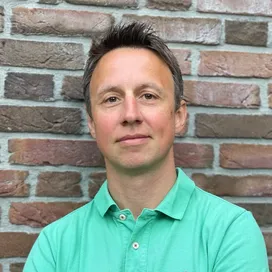
Hi, I'm Alex.
I think in systems — and build them.
Engineering organisations, AI platforms, and the operating system I run my own life on.
My background is in systems engineering, and one idea from it keeps being true:
optimising one part rarely optimises the whole.
Over twenty years that's meant growing Kaspersky's B2B engineering to 400+ people,
leading Visualfabriq as CTO and taking Smartcat's engineering AI-first. Now I'm building
Peoplos, a new-generation AI HR startup, and working
with a handful of founders, investors and leaders.
I live in the Netherlands.
Systems I build
Same habit at three scales: find what's actually slow, then redesign the system around
it — not the people in it.
Organisations
Past a few hundred engineers at Kaspersky, I stopped managing people one by one and
started designing the organisation — teams, incentives, feedback loops — so the right
behaviour became the default. When Smartcat went AI-first, we did it the same way: by
changing the structure, not by running a training programme.
Products
Platforms that carry AI into real work: revenue management for Nestlé, Heineken and
Unilever at Visualfabriq; LLM copilots and human-in-the-loop workflows in Smartcat's
core product, with delivery down from months to weeks. And now Peoplos — HR software
rebuilt for the age of AI.
Myself — Personal OS
I built my own Personal OS with AI, to run my life on autopilot. It catches everything
that comes in, sorts it, plans my day and tells me what actually needs me. The one thing
it never does alone is commit me: no email, meeting or payment goes out without my yes.
-
Capture
→
agent
-
Clarify
→
agent
-
Plan
→
agent
-
Decide
→
me
-
Do
both
“My bottleneck was never typing. It was decision latency.”
- I just talk to it — ideas and tasks go in by voice, in English or Russian.
- Every morning it fits what matters into the free hours in my calendar.
- Decisions arrive ready to make: options, a recommendation and a deadline.
- Each week it asks for three wins that matter — and keeps me honest about them.
It's also my lab: whatever works here, I bring to teams.
Autonomy without boundaries is a demo.
Autonomy with explicit gates is an operating model.
How I got here
-
2001
Minsk. Java developer and test lead at Kyriba, load-testing a treasury platform — learning that systems break at the seams.
-
2003
Luxoft. Seven years of projects for banks, energy and media, and a development centre for a retail bank built from scratch.
-
2010
Kaspersky. B2B engineering from ~250 to 400+ people, 20+ enterprise products, a virtualization-security line from zero to $10M a year.
-
2021
Visualfabriq, the Netherlands. CTO. The team and the enterprise customer base doubled, and I took the company through technical due diligence for PSG's investment.
-
2024
Smartcat. Took engineering AI-first: platform rebuilt for AI, copilots in the core product, delivery from months to weeks.
-
Now
Building Peoplos, on the Board of Advisors at
MoonTech, coaching leaders as a Heroic Coach.
Off the clock
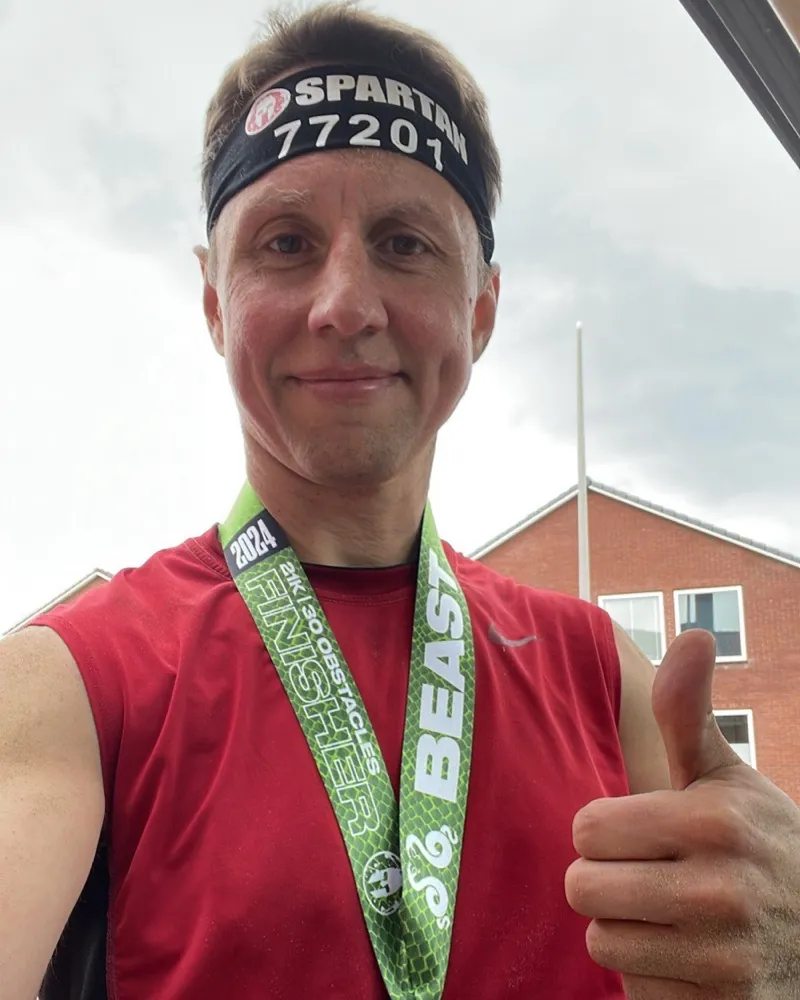
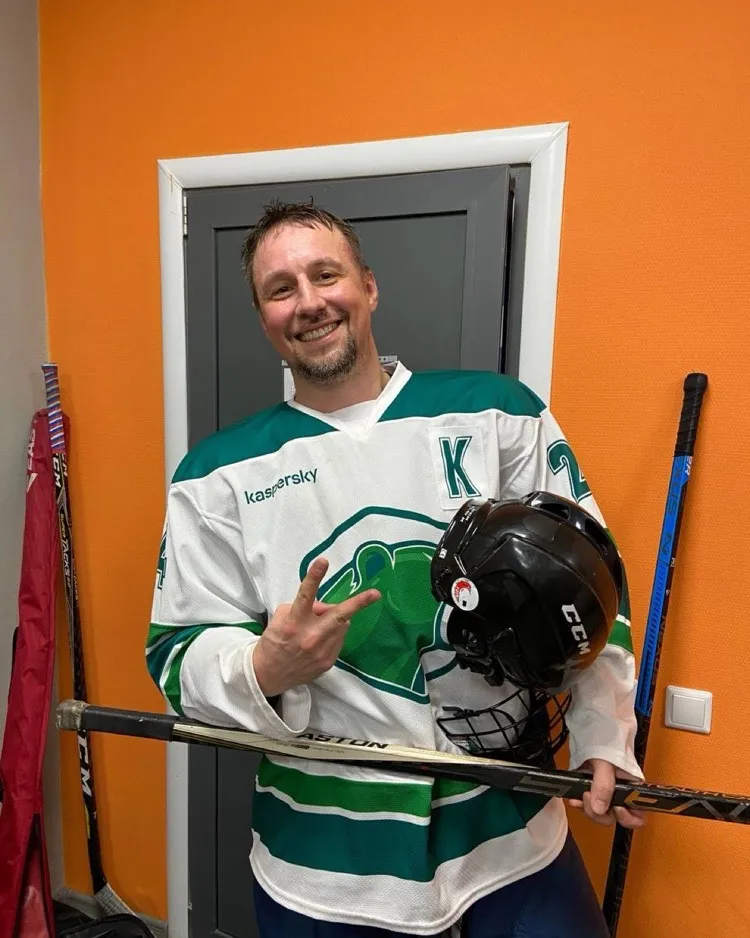
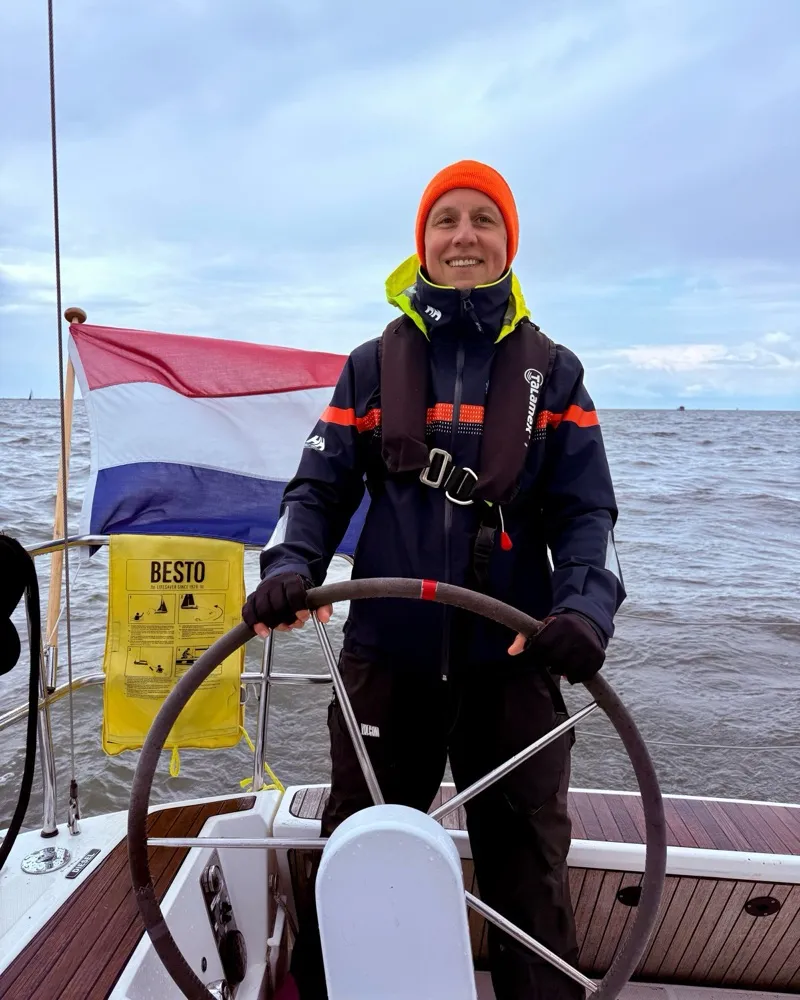
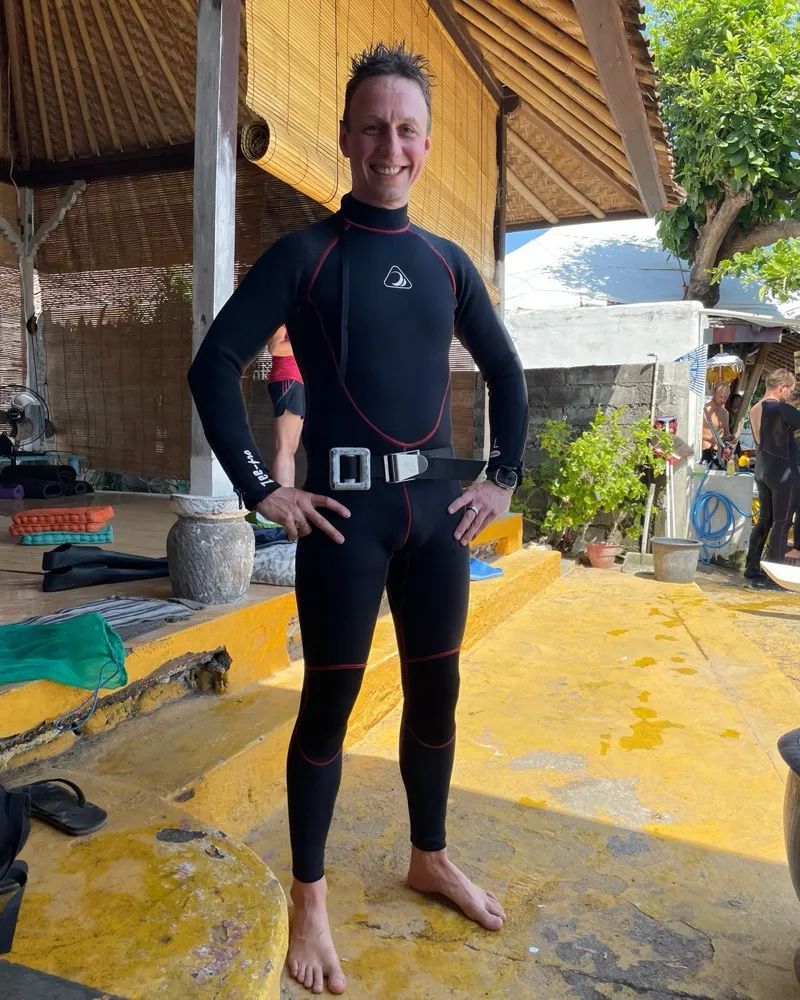
I'm usually wet, cold or muddy — by choice. I run Spartan races, play ice hockey, sail
and freedive.
Working together
When an organisation, a platform or your own week keeps fighting you, it's usually a
system problem. I help founders, boards and investors as a fractional CTO, an advisor, or
with technical due diligence before an investment — and leaders as a mentor or a Heroic
Coach.
The first conversation is just a conversation.